Cultural insights into diverse casino experiences around the world
Understanding Casino Culture in Las Vegas
Las Vegas is often seen as the epitome of casino culture, attracting millions of visitors each year with its neon lights and extravagant experiences. The casinos here are not merely places to gamble; they are elaborate entertainment complexes that offer dining, shopping, and live performances. In this vibrant setting, you can discover betting sites best offers that heighten the excitement of the gaming experience. The atmosphere is infused with a sense of excitement and anticipation, creating an experience that goes beyond just gaming. Visitors often find themselves immersed in themed resorts, each with its unique identity that contributes to the overall allure of Las Vegas.
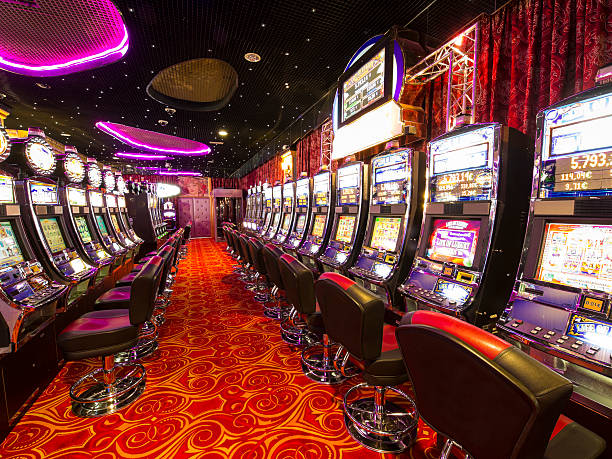
Moreover, the concept of luck and winning in Las Vegas is deeply ingrained in the local culture. With iconic attractions like the Bellagio Fountains and the High Roller observation wheel, the city itself has become a backdrop for tales of fortune and dreams realized. This cultural phenomenon influences not just the patrons but also the businesses that cater to them, including nightlife, dining, and even local art, all thriving on the energy generated by the casinos. The interconnectedness of these experiences creates a unique social fabric that defines Las Vegas.
The role of technology in Las Vegas casinos cannot be overlooked. Innovations such as mobile betting apps and electronic gaming machines have transformed how individuals engage with gambling. This shift reflects broader trends in society, where convenience and immediate access to entertainment are valued. Las Vegas remains at the forefront of these advancements, attracting a tech-savvy crowd eager to explore new ways to experience traditional gaming.
The Traditional Casino Experience in Europe
In contrast to the flashy casinos of Las Vegas, European casinos often embody a more traditional and sophisticated atmosphere. Places like Monte Carlo and Baden-Baden exude elegance with their opulent architecture and historical significance. These casinos focus on classic games like roulette and baccarat, appealing to those who appreciate the history and strategy behind the games. The ambiance is quieter, with an emphasis on social interaction among players, which is a stark deviation from the high-energy environments of modern gaming hubs.
European casinos often enforce a dress code that adds an air of formality, contributing to a different gambling culture. This cultural aspect reinforces a sense of decorum, inviting players to engage in the experience with respect and elegance. Such regulations can also create a unique bonding experience among players, as they engage in conversations and share their strategies in a calm setting. The ritualistic nature of gambling in these venues allows for deeper connections and networking among patrons.
The rich history of European gambling is also reflected in the architecture of these establishments. Many casinos have preserved their historic buildings and interiors, often boasting stunning chandeliers and grand ballrooms. This dedication to maintaining heritage adds an additional layer of cultural value, making these locations not just places to gamble but also centers for cultural tourism. Visitors are drawn not only to the games but also to the rich stories and traditions that these venues represent.
Emerging Casino Markets in Asia
Asia has rapidly become a significant player in the global casino market, with countries like Macau and Singapore establishing themselves as major gaming destinations. Macau, often dubbed the “Gambling Capital of the World,” has surpassed Las Vegas in terms of gaming revenue. The casinos here combine elements of traditional Chinese culture with modern luxury, creating an immersive experience that appeals to both local and international audiences. This blend of heritage and innovation has made Asia a fascinating area for cultural exploration within the casino industry.
Moreover, the influence of Asian gaming customs cannot be overlooked. Games like Pai Gow and Sic Bo are popular among players, reflecting a preference for strategy and community-focused gambling. The casinos often host events that celebrate these games, fostering a sense of belonging among players. This cultural significance enhances the overall gaming experience, allowing patrons to connect with their heritage while enjoying the thrill of gambling.
Government regulations and policies also play a crucial role in shaping the casino landscape in Asia. With a focus on tourism and economic development, many countries are actively promoting casino establishments, which has led to increased competition and innovation. As a result, the casino experience is continually evolving, making Asia a dynamic market that reflects changing societal trends and preferences. This evolution further enriches the cultural tapestry of gambling across the region.
Cultural Attitudes Towards Gambling in South America
In South America, gambling is often viewed through a different lens, influenced by local traditions and societal norms. Countries like Brazil and Argentina have vibrant gaming scenes that blend modern casinos with traditional local games. For example, the rise of poker has captivated many players, leading to an increased acceptance of gambling as a mainstream entertainment option. However, cultural attitudes towards gambling can vary significantly from one region to another, often reflecting deeper social issues and economic conditions.
In some areas, casinos are seen as places of refuge and excitement, providing an escape from everyday life. This perspective is particularly evident in countries facing economic challenges, where gambling can be viewed as a chance for a better future. Conversely, there are regions where gambling is stigmatized, often associated with negative social consequences. This dichotomy shapes the casino landscape and influences how establishments are designed and marketed.
Furthermore, local festivals and events often incorporate gambling activities, blending cultural celebrations with gaming. This combination offers a unique opportunity for communities to come together, fostering social cohesion. The interplay of traditional values and modern gambling practices creates a distinctive cultural identity that is uniquely South American, inviting exploration and appreciation for how gaming is interwoven into the fabric of society.

Exploring Cultural Diversity in the Online Casino Space
The online casino industry has experienced explosive growth, further diversifying the gambling landscape. This digital arena allows for a fusion of cultural influences, as players from different backgrounds engage with traditional and innovative gaming options. Online platforms offer a wealth of games that cater to various cultural preferences, from classic card games to unique regional variations. This variety enhances player engagement and encourages a global community of gamblers.
The accessibility of online casinos enables individuals to participate in gaming without the constraints of geography or social stigma. This democratization of gambling has led to increased acceptance of gaming across different cultures. Players can enjoy the thrill of gambling from the comfort of their homes, opening doors to a broader audience and fostering cross-cultural exchange. The shared experience of gaming online contributes to a collective culture that transcends borders.
As technology continues to evolve, future trends in online casinos are likely to reflect cultural shifts and preferences. For instance, the integration of virtual reality and live dealer games is poised to enhance the social aspects of online gambling, creating immersive experiences that mimic the physical casino environment. This technological advancement promises to revolutionize the way players engage with games, further intertwining diverse cultural narratives within the realm of online gambling.